



MBBS (Singapore), MRCS (Edinburgh), MMed (Ortho), FRCS (Ortho), FAMS (Ortho)
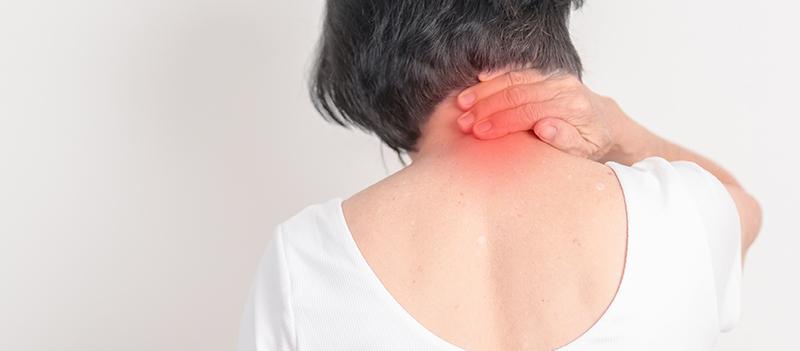
Neck discomfort can arise for many reasons, from prolonged desk work and muscle tension to age-related changes in the cervical spine. While many episodes are temporary, some neck symptoms may be associated with changes affecting the spinal nerves or spinal cord.
Cervical spinal stenosis is one condition that can affect these structures. Although it can cause neck pain, symptoms such as numbness, weakness, changes in hand coordination or difficulty with balance may suggest that the nerves or spinal cord are also involved. Recognising these symptoms can help determine when further evaluation may be appropriate.
What Is Cervical Spinal Stenosis?
Cervical spinal stenosis occurs when the spinal canal in the neck narrows, leaving less space for the spinal cord and nerve roots. This form of spinal canal stenosis specifically affects the cervical spine.
It commonly develops as the cervical spine changes with age. Discs may lose height or bulge, while enlarged joints, bone spurs and thickened ligaments can further reduce space within the canal. These changes do not always cause symptoms or neck pain. Symptoms may develop when the narrowing affects the spinal cord or nerve roots, although the severity of narrowing seen on imaging does not always correspond directly to the severity of symptoms.
How Can Cervical Spinal Stenosis Differ from Other Causes of Neck Pain?
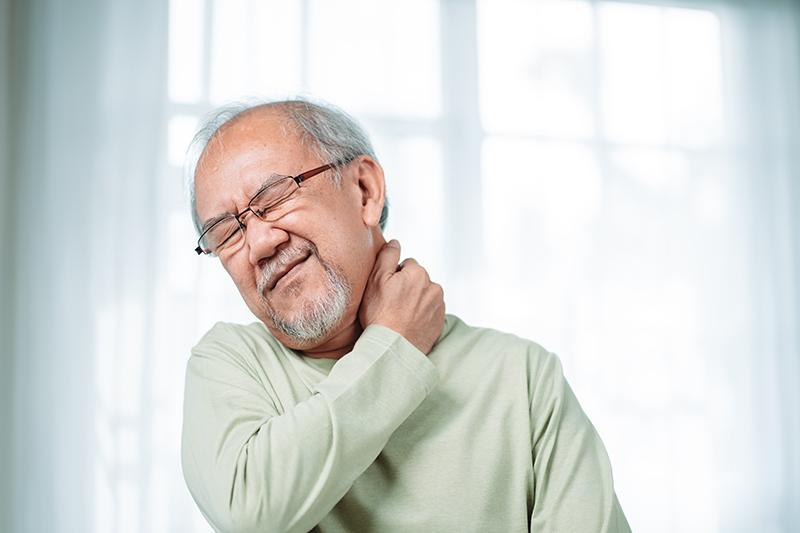
While both conditions can involve neck discomfort, there are important differences:
- Neck pain from muscles, joints or posture is often localised around the neck and shoulders and may fluctuate with movement or activity
- Cervical spinal stenosis involves narrowing of the spinal canal and may affect the spinal cord or nerve roots
- Musculoskeletal pain may fluctuate with posture, activity or neck movement
- Spinal stenosis can affect neurological function, meaning its effects may extend beyond the neck
Neurological changes can therefore be an important distinction, particularly when the spinal cord or nerve roots are affected.
What Symptoms Can Cervical Spinal Stenosis Cause?
Symptoms of cervical spinal stenosis depend on whether the narrowing affects the nerve roots, spinal cord or both. They can develop gradually and may extend beyond the neck to affect your arms, hands or legs.
Numbness or Tingling in the Arms and Hands
Nerve compression can cause numbness, tingling or altered sensation that travels into your arm, hand or fingers. These symptoms may be intermittent at first or become more persistent over time.
Weakness in the Hands or Arms
You may notice reduced grip strength, difficulty lifting or carrying objects or a tendency to drop things unexpectedly. New or worsening weakness can be a sign of nerve or spinal cord involvement and should be assessed by a doctor.
Difficulty with Fine Hand Movements
Spinal cord compression can affect hand coordination and dexterity. Everyday tasks such as fastening buttons, writing or handling small objects may become more difficult than usual.
Changes in Balance or Walking
When the spinal cord is affected, symptoms can extend to the legs. You may feel unsteady when walking, stumble more frequently or notice that your movements feel less coordinated.
How Is Cervical Spinal Stenosis Treated?
Treatment depends on your symptoms, the degree of narrowing and whether the spinal cord or nerves are compressed. When symptoms are mild and there is no significant neurological impairment, treatment may include medication, physiotherapy and activity modification.
If symptoms are persistent or worsening, or if there are significant neurological findings related to spinal cord or nerve compression, surgery may be considered. Spinal decompression surgery aims to create more space for the spinal cord or nerves. Depending on your condition, this may involve a laminectomy, laminoplasty or discectomy. Spinal fusion may also be performed when additional stability is needed.
Your spine surgeon will recommend an appropriate approach based on your symptoms, examination and imaging findings.
Looking Beyond Neck Pain with Dr Chua Soo Yong
The key difference between ordinary neck pain and cervical spinal stenosis is not simply how much your neck hurts. Changes in strength, sensation, dexterity or balance may indicate that the nerves or spinal cord are involved and should not be judged by pain severity alone.
Atlas Spine & Orthopaedic Surgery Centre in Singapore provides assessment and treatment for neck and spinal conditions under the care of orthopaedic and spine surgeon Dr Chua Soo Yong. If your neck symptoms are accompanied by numbness, weakness or coordination changes, arrange a consultation for a detailed evaluation and appropriate treatment recommendations.
FAQs About Cervical Spinal Stenosis
Not necessarily. The course varies between individuals and depends on factors such as the degree of narrowing and whether the spinal cord is affected. Regular monitoring may be recommended when stenosis is present but symptoms are mild or stable, particularly when there are no significant neurological findings.
Exercise may still be appropriate depending on the severity of your condition and whether you have neurological symptoms. Your doctor can advise which activities are suitable and whether particular neck movements or high-impact exercises should be modified.
No. Treatment depends on your symptoms, neurological findings and degree of compression. Some cases may be managed conservatively, while significant or progressive spinal cord compression may require surgical decompression to create more space for the affected structures.
Meet Our Spine Specialist in Singapore
Dr Chua Soo Yong
Consultant Orthopaedic & Spine Surgeon
MBBS (Singapore), MRCS (Edinburgh), MMed (Ortho), FRCS (Ortho), FAMS (Ortho)
Dr Chua Soo Yong is a Consultant Orthopaedic & Spine Surgeon and co-founder of Atlas Orthopaedic. With over 20 years of experience, his expertise includes both conservative and surgical management, encompassing minimally invasive techniques, spinal decompression, fusion, disc replacement, and complex spine procedures.
In addition to his clinical practice, Dr Chua has made significant contributions to spine research, particularly in the areas of spinal cord injury and regeneration. Dr Chua was awarded the Ministry of Health’s Health Manpower Development Plan (HMDP) Scholarship to pursue advanced spine surgery fellowship training at the Krembil Neuroscience Centre in Canada and was subsequently awarded the DePuy–Asia Pacific Orthopaedic Association Spine Travelling Fellowship.
Committed to delivering patient-centred care, Dr Chua works closely with each individual to develop personalised treatment plans that prioritise safety, mobility, and long-term quality of life.


