



MBBS (Singapore), MRCS (Edinburgh), MMed (Ortho), FRCS (Ortho), FAMS (Ortho)
A spine injury can have a significant impact on your ability to move comfortably, perform daily activities, and maintain your quality of life. While some spinal injuries occur suddenly due to falls, accidents, or sporting incidents, many are linked to preventable factors such as poor posture, improper lifting, repetitive strain, and physical inactivity.
Because the spine supports many of your everyday movements, looking after it involves more than just avoiding heavy lifting. Simple habits—such as maintaining good posture, staying active, and using proper techniques when carrying or moving objects—can all contribute to better spinal health. Over time, these small choices can help keep your spine functioning well and support an active lifestyle.
By understanding common risk factors and adopting healthier movement habits, you can take proactive steps to support your spine, reduce unnecessary strain, and maintain an active lifestyle for years to come.
Key Takeaways
- Many spine injuries are associated with poor posture, improper lifting, and repetitive strain.
- Safe movement habits can help reduce stress on the spine during daily activities.
- Regular exercise supports spinal strength, flexibility, and mobility.
- Persistent back or neck pain should be assessed by a healthcare professional.
What Are the Most Common Causes of Spine Injuries?
Spine injuries can occur suddenly following a traumatic event, but many develop gradually as a result of repeated strain on the structures that support the spine. Everyday activities, work demands, and lifestyle habits can all contribute to excessive stress on the back and neck, particularly when performed with poor technique or over long periods.
Some of the most common causes of spine injuries include:
Poor Posture and Prolonged Sitting
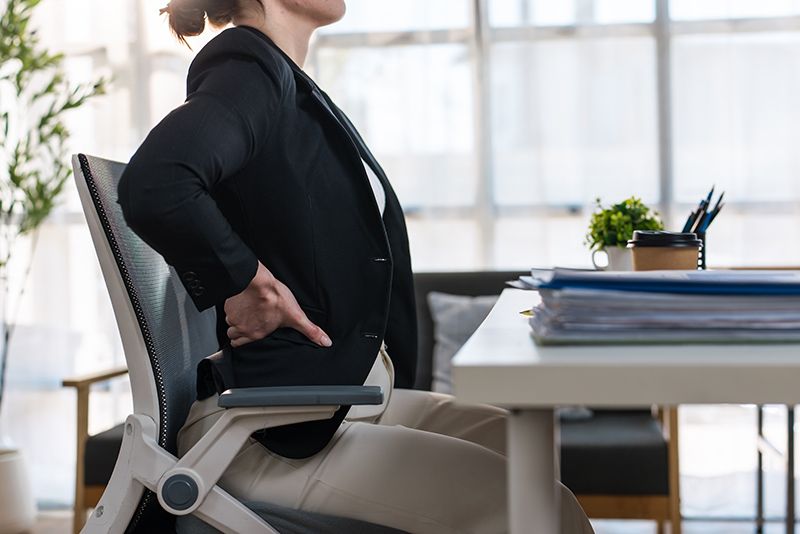
Many people spend hours each day sitting at a desk, driving, or using electronic devices. Over time, slouching, leaning forward, or maintaining the same position for extended periods can place additional pressure on the spine and surrounding muscles. This may contribute to muscle fatigue, stiffness, and discomfort, particularly in the neck and lower back.
Improper Lifting and Carrying Techniques
Lifting heavy objects without proper form is a common cause of spinal injury. Bending from the waist, twisting while lifting, or carrying uneven loads can strain the muscles, ligaments, and discs that support the spine. Even routine tasks such as carrying groceries, moving furniture, or lifting children can increase the risk of injury if performed incorrectly.
Falls, Sports Injuries, and Accidents
Sudden trauma remains a significant cause of spine injuries. Falls, contact sports, and motor vehicle accidents can expose the spine to forces beyond what it is designed to withstand. In more severe cases, these incidents may result in a spinal cord injury, which can affect movement, sensation, and other bodily functions.
While some risk factors cannot always be avoided, understanding how spine injuries commonly occur is the first step towards protecting your spinal health. Many everyday risks can be reduced through safer movement habits, good posture, and regular physical activity.
How Can You Protect Your Spine During Everyday Tasks?
Many spine injuries occur during routine activities that most people perform without giving much thought. Whether you're lifting a box, carrying groceries, vacuuming the house, or working in the garden, the way you move can significantly influence the amount of strain placed on your spine.
Making a few simple adjustments to your technique can help reduce unnecessary stress on your back and lower the risk of injury.
Practise Safe Lifting Techniques
When lifting an object:
- Stand close to the object before lifting.
- Bend your knees and hips rather than your waist.
- Keep your back straight and chest upright.
- Tighten your core muscles as you lift.
- Lift smoothly without jerking movements.
Using the larger muscles of the legs helps reduce strain on the spine and allows the body to handle weight more efficiently. If an object feels too heavy or awkward to lift safely, consider asking for assistance or using equipment designed to help move heavy loads.
Avoid Twisting While Carrying Loads
While twisting may seem like a minor movement, doing so while lifting or carrying weight can place additional stress on the spinal discs and surrounding tissues. The risk is even greater when twisting is combined with bending or awkward lifting positions. Instead of turning through your back, pivot with your feet and move your entire body in the direction you want to go. This simple habit can help reduce strain on the spine and lower the risk of injury.
Carry Loads Evenly
Carrying heavy bags on one shoulder or consistently favouring one side of the body can create uneven stress on the spine and surrounding muscles.
Whenever possible:
- Divide heavier loads into smaller, more manageable portions.
- Carry weight evenly on both sides of the body.
- Use a backpack with two shoulder straps instead of one.
- Consider using a trolley or cart for heavier items.
Be Mindful During Household Chores
Many household tasks involve repetitive bending, reaching, or twisting, which can place strain on the spine over time.
To reduce stress on your back:
- Use long-handled tools when cleaning.
- Avoid bending for prolonged periods.
- Kneel rather than bend when working close to the ground.
- Alternate sides while vacuuming or sweeping.
- Take regular breaks during physically demanding tasks.
Small adjustments in posture and technique can make these activities more comfortable while reducing the risk of a spinal injury.
Listen to Your Body
Pain and fatigue are often signs that your muscles are becoming overloaded. Rather than pushing through discomfort, allow yourself time to rest, stretch, and recover. Listening to your body can help prevent minor aches from progressing into more significant spine injuries and may support healthier movement patterns over the long term.
How Can Exercise Help Prevent Spine Injuries?
Regular exercise is one of the most effective ways to support spinal health and reduce the risk of injury. Staying active helps strengthen the muscles that support the spine, improves flexibility and balance, and promotes healthy movement patterns. Together, these benefits can make everyday activities such as lifting, carrying, and bending safer and more comfortable.
The key is to choose exercises that build strength and mobility while avoiding sudden increases in intensity or poor technique.
Stay Active With Low-Impact Exercise
Not all exercise needs to be high intensity to be beneficial. Low-impact activities can improve cardiovascular fitness, mobility, and muscle endurance while placing less stress on the joints and spine.
Examples include:
- Walking
- Swimming
- Cycling
- Elliptical training
- Water-based exercise
Regular movement can also help counteract the effects of prolonged sitting and reduce stiffness.
Improve Flexibility and Mobility
Tight muscles can alter posture and movement patterns, increasing strain on the spine. Incorporating stretching and mobility exercises into your routine may help maintain a healthy range of motion and support more efficient movement.
Pay particular attention to:
- Hamstrings
- Hip flexors
- Chest muscles
- Gluteal muscles
- Lower back muscles
Flexibility exercises are often most effective when performed consistently rather than occasionally.
Progress Gradually and Use Proper Technique
While exercise can help prevent a spinal injury, doing too much too soon may increase the risk of strains or overuse injuries.
To exercise safely:
- Warm up before physical activity.
- Focus on proper form and technique.
- Increase intensity gradually.
- Allow time for recovery between workouts.
- Stop and seek advice if you experience persistent pain.
Building strength and fitness progressively can help support long-term spinal health while reducing the likelihood of injury.
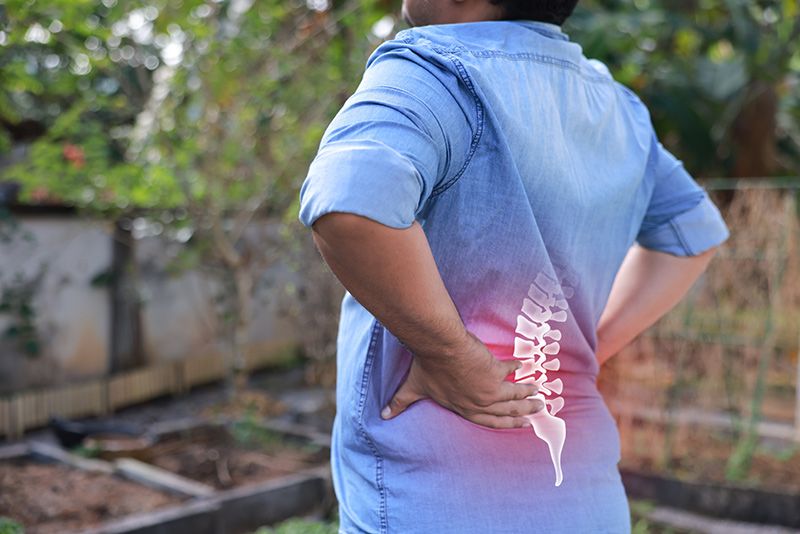
Taking Steps Towards Better Spine Health with Dr Chua Soo Yong
While not every spine injury can be prevented, many are linked to everyday habits that are within your control. Using proper lifting techniques, maintaining good posture, staying active, and strengthening the muscles that support your spine can all help reduce the risk of spinal injury and support long-term spinal health.
By making small but consistent adjustments to how you move throughout the day, you can minimise unnecessary strain on your spine and maintain the mobility and function needed for work, exercise, and daily activities.
If you have ongoing back or neck pain, symptoms following an injury, or concerns about your spinal health, seeking professional advice can help provide clarity and appropriate next steps. At Atlas Spine & Orthopaedic Surgery Centre, our spine surgeon, Dr Chua Soo Yong, is committed to helping patients understand, manage, and prevent spine-related conditions. Contact us today for a consultation to discuss personalised advice on maintaining your spinal health, or any particular concerns about ongoing back or neck pain.
FAQs About Preventing Spine Injuries in Everyday Life?
Symptoms of a spinal injury can vary depending on its severity. Common warning signs include persistent back or neck pain, numbness or tingling in the arms or legs, muscle weakness, difficulty walking, or pain that worsens over time. Medical attention should be sought if symptoms are severe, persistent, or develop after a fall, accident, or sporting injury.
Try to hold your device closer to eye level rather than looking down for extended periods. Taking regular breaks and changing positions throughout the day can also help reduce strain on the neck and upper back.
You should consider seeking medical advice if your pain persists despite rest, becomes progressively worse, affects your ability to perform daily activities, or is accompanied by symptoms such as numbness, tingling, muscle weakness, or balance difficulties.
In many cases, gentle movement and appropriate exercise can help improve strength and flexibility. However, the type and intensity of exercise should depend on the cause of the pain. If symptoms persist, worsen, or interfere with daily activities, it is advisable to seek professional medical advice before continuing strenuous exercise.
Meet Our Spine Surgeon in Singapore
Dr Chua Soo Yong
Consultant Orthopaedic & Spine Surgeon
MBBS (S’pore), MRCS (Edinburgh), MMed (Ortho), FRCS (Ortho), FAMS (Ortho)
Dr Chua Soo Yong is a Consultant Orthopaedic & Spine Surgeon and co-founder of Atlas Orthopaedic. With over 20 years of experience, his expertise includes both conservative and surgical management, encompassing minimally invasive techniques, spinal decompression, fusion, disc replacement, and complex spine procedures.
In addition to his clinical practice, Dr Chua has made significant contributions to spine research, particularly in the areas of spinal cord injury and regeneration. Dr Chua was awarded the Ministry of Health’s Health Manpower Development Plan (HMDP) Scholarship to pursue advanced spine surgery fellowship training at the Krembil Neuroscience Centre in Canada and was subsequently awarded the DePuy–Asia Pacific Orthopaedic Association Spine Travelling Fellowship.
Committed to delivering patient-centred care, Dr Chua works closely with each individual to develop personalised treatment plans that prioritise safety, mobility, and long-term quality of life.


