


Why Keyhole Spine Surgery Matters for Today’s Spine Problems

MBBS (Singapore), MRCS (Edinburgh), MMed (Ortho), FRCS (Ortho), FAMS (Ortho)
Back pain and spine-related problems are becoming increasingly common in Singapore, affecting people across different age groups and lifestyles. Long hours at desks, frequent mobile-device use and high-intensity workouts can place constant strain on the spine. As a result, conditions such as slipped discs, nerve compression and age-related degeneration are now among the most common reasons patients seek specialist care.
While many cases improve with physiotherapy, medication or lifestyle changes, some patients continue to experience persistent or worsening symptoms. In such situations, a more targeted treatment may be necessary. This is where keyhole spine surgery has become an increasingly preferred option. Also known as minimally invasive spine surgery (MISS), this technique allows surgeons to address certain conditions through small incisions rather than the larger cuts used in traditional open surgery. For suitable patients, this often means less pain, reduced downtime and a quicker return to everyday activities.
What Is Keyhole Spine Surgery Used For?
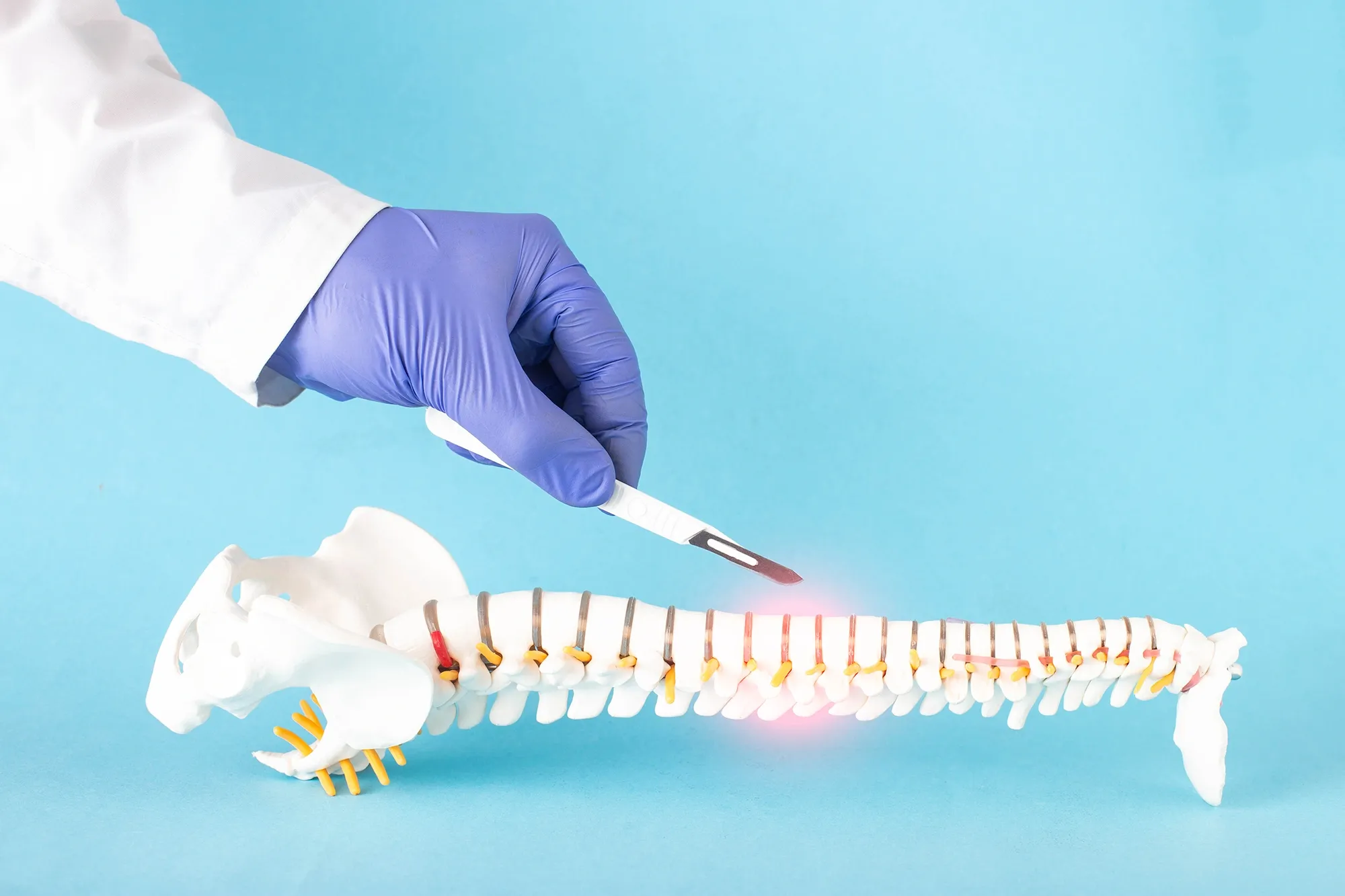
Keyhole spine surgery is a minimally invasive technique that allows surgeons to treat specific spinal problems through small, precisely positioned incisions. Instead of cutting through muscle, the surgeon gently separates natural muscle fibres using a tubular retractor or endoscope. This creates a narrow pathway to the spine, enabling targeted treatment of the affected nerve, disc or joint while preserving surrounding tissues. Depending on the diagnosis, surgeons may remove a disc fragment, decompress a nerve or widen a narrowed spinal canal through this focused approach.
It is most commonly used to treat conditions that involve localised nerve compression or disc-related problems, including:
- Herniated or Slipped Disc — Occurs when disc material presses on nearby nerves, causing back pain, sciatica, numbness or weakness.
- Spinal Stenosis — An age-related narrowing of the spinal canal that leads to back or leg symptoms, often relieved with minimally invasive decompression.
- Degenerative Disc Disease — This involves disc wear that may irritate nerves or contribute to instability, and keyhole techniques can relieve compression or provide stabilisation in selected cases.
- Spondylolisthesis — Occurs when one vertebra slips over another and compresses nearby nerves, and minimally invasive stabilisation may be suitable for mild to moderate cases.
- Spinal Deformities — These include conditions such as scoliosis or kyphosis, where keyhole methods may help relieve nerve pressure in select cases, even though major deformity correction typically requires open surgery.
- Spinal Tumours — Abnormal growths near the spinal nerves, where minimally invasive removal may be possible when the tumours are small and in accessible locations.
- Spinal Infections — These involve infections or abscesses in the spine, and certain localised areas can be drained or cleaned using minimally invasive techniques.
- Vertebral Compression Fractures — These fractures are often linked to osteoporosis, and procedures such as vertebroplasty or kyphoplasty can help stabilise the bone and reduce pain.
How Keyhole Spine Surgery Is Performed
Keyhole spine surgery involves several important steps, from diagnosis to recovery. Understanding the process helps patients know what to expect at each stage and how this minimally invasive approach differs from traditional open surgery.
Assessment and Decision-Making
Before recommending keyhole spine surgery, a spine specialist will carry out a thorough assessment. This includes a detailed discussion of symptoms, a physical examination and imaging such as MRI or CT scans. Surgery is considered only when there is a clear structural cause, such as a herniated disc or spinal stenosis, and when symptoms persist despite conservative treatments. The decision is made based on the severity of nerve compression, the level involved and the patient’s overall health and goals.
Preparation Before Surgery
Patients may be asked to follow fasting instructions, adjust certain medications or complete routine blood tests and health checks. Preparation also involves planning for post-surgical support, such as transport home and help during the first one or two days. Most patients do not require extensive preparation because minimally invasive procedures place less stress on the body compared to open surgery.
During the Procedure
Keyhole spine surgery is performed through a small incision, typically one to two centimetres long. A tubular retractor or endoscope is used to create a narrow working channel to the affected area. Through this channel, the surgeon removes disc fragments, trims bone spurs or decompresses the nerve under imaging guidance. Because the surrounding muscles are gently separated instead of cut, there is less tissue disruption and reduced postoperative pain. Most procedures take one to two hours, depending on the condition being treated.
Recovery and Aftercare
Patients are often able to walk on the same day or within 24 hours. Hospital stays are usually short, with many patients discharged within a day. Mild discomfort is expected, but it is generally less compared to traditional open surgery. A structured recovery plan may include physiotherapy, gradual return to activity and wound care instructions. Most people resume light work and daily tasks within days to weeks, depending on the complexity of the surgery and the nature of their job.
Benefits and Considerations of Keyhole Spine Surgery
Keyhole spine surgery offers several advantages for suitable patients. Because the incisions are small and the muscles are gently separated rather than cut, most people experience less postoperative discomfort and a quicker return to daily activities. Many patients also benefit from shorter hospital stays, reduced infection risk and faster wound healing. The approach allows surgeons to target the specific disc or nerve causing symptoms while preserving surrounding tissues.
However, it is not the right choice for every condition. Problems that involve severe spinal instability, significant deformity or widespread degeneration may require traditional or hybrid techniques instead. The procedure also relies on a clear line of sight through a narrow channel, which means engaging an experienced surgeon is an important part of achieving good outcomes. In some cases, the operation may need to be converted to an open approach if unexpected findings arise. Following postoperative guidelines and rehabilitation advice remains essential for full recovery.
Explore Spine Treatment Options at Atlas Orthopaedic Group
Keyhole spine surgery has become an important option for patients who need relief from nerve compression, disc-related problems or selected cases of spinal instability. With its smaller incisions, reduced tissue disruption and faster recovery times, it offers an effective alternative to traditional open surgery for many well-defined spinal conditions. While it is not suitable for every situation, a thorough assessment and targeted imaging help determine when this minimally invasive approach is appropriate.
At Atlas Orthopaedic Group, patients are taken through their findings and treatment choices in a clear, structured way so they understand how each option relates to their condition and daily activities. Led by Dr Chua Soo Yong, our team provides personalised advice and evidence-based recommendations tailored to each patient’s needs. If your symptoms have been persistent or difficult to manage, book a consultation with our clinic to receive a detailed assessment and guidance on appropriate treatment options.


