



MBBS (Singapore), MRCS (Edinburgh), MMed (Ortho), FRCS (Ortho), FAMS (Ortho)
Persistent back or neck pain can affect many aspects of daily life, including work, exercise, sleep and mobility. When symptoms continue despite rest, medication or physiotherapy, many people begin considering whether they should see an orthopaedic spine surgeon but may feel unsure about which specialist to choose.
Because spine conditions can vary significantly in severity and treatment approach, choosing a surgeon with suitable experience and expertise is important. Understanding what qualifications, subspecialty training and treatment philosophies to look for may help patients make more informed decisions and feel more confident about their spine care options.
When Should You See an Orthopaedic Spine Surgeon?
Occasional back or neck discomfort is common and may improve with rest, stretching or simple lifestyle adjustments. However, when symptoms become persistent, begin affecting mobility, or interfere with daily activities, it may be important to seek further evaluation for possible neck conditions or back and spine conditions.
Some symptoms that may require specialist assessment include:
- Persistent back or neck pain
- Pain that radiates into the arms or legs
- Numbness or tingling in the limbs
- Muscle weakness
- Difficulty walking, standing or maintaining balance
- Symptoms that continue despite medication, physiotherapy or rest
Orthopaedic spine surgeons specialise in diagnosing and treating conditions affecting the spine, spinal nerves and surrounding structures. In addition to surgical treatment, many spine specialists also recommend conservative management options such as physiotherapy, rehabilitation programmes, pain management and lifestyle modifications depending on the severity of the condition.
What Qualifications Should You Look For?
Choosing an orthopaedic spine surgeon often involves more than simply finding someone who treats back pain. Because spine conditions can vary significantly in complexity, it may be helpful to choose a specialist with suitable training, experience and a treatment approach that matches your condition.
Some important factors to consider include:
Specialised Spine Training
An orthopaedic spine surgeon should have advanced training in diagnosing and treating spinal conditions affecting the neck and back. Fellowship training in spine surgery may indicate additional experience in complex spinal care.
Experience With Different Spine Conditions
Some surgeons may focus on particular back & spine conditions such as slipped discs, spinal stenosis, scoliosis, nerve compression, or degenerative spinal disorders. Choosing a surgeon familiar with your condition may help support more tailored treatment planning.
Non-Invasive and Surgical Treatment Experience
Not all spine conditions require surgery. It may be helpful to choose a surgeon who is experienced in both conservative management and surgical treatment so that a wider range of treatment options can be considered when appropriate.
Familiarity With Minimally Invasive Spine Techniques
Some orthopaedic spine surgeons may offer minimally invasive spine procedures designed to reduce tissue disruption and support recovery in selected cases. Understanding whether these options are available may help patients better evaluate their treatment choices.
Communication and Patient-Centred Care
Patients may also benefit from choosing a spine surgeon who explains conditions clearly, discusses treatment options openly and involves patients in shared decision-making throughout the treatment process.
Because spine treatment is often highly individualised, finding a surgeon whose expertise, communication style and treatment philosophy align with your needs may help you feel more confident about long-term spine care decisions.
How to Choose a Spine Surgeon Based on Your Condition
Different spinal conditions may require different forms of treatment, so it may be helpful to choose a spine surgeon with experience managing your specific condition. Some surgeons may focus more on degenerative spine disorders, nerve compression, minimally invasive procedures, or complex spinal surgery.
For example, patients experiencing sciatica, persistent lower back pain, or a slipped disc (also known as a herniated disc) may benefit from a surgeon experienced in spinal nerve compression and rehabilitation-focused care. Conditions such as lumbar spinal stenosis, may require specialised assessment and, in some cases, surgical expertise when symptoms significantly affect mobility or quality of life.
Some questions patients may consider asking during the selection process include:
- Does the surgeon regularly treat this condition?
- Are non-surgical and surgical options both discussed?
- What does recovery and rehabilitation usually involve?
- Is treatment tailored to the patient's lifestyle and mobility goals?
What to Expect During a Spine Specialist Consultation
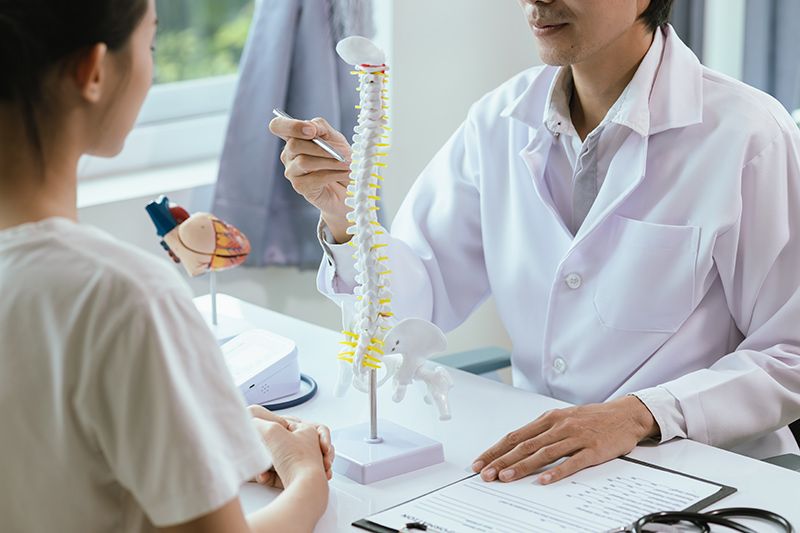
A spine specialist consultation is usually focused on understanding your symptoms, identifying possible spinal conditions and discussing suitable treatment options based on the severity of the problem.
During the consultation, the spine surgeon may:
- Review your symptoms, medical history and previous treatments
- Assess movement, posture, strength and nerve function
- Review imaging such as MRI scans or X-rays if available
- Discuss whether conservative treatment, monitoring or surgery may be appropriate
Many spine conditions can often be managed without surgery, depending on the diagnosis and severity of symptoms. The consultation also gives patients an opportunity to ask questions, better understand their condition and discuss recovery expectations before making treatment decisions.

Personalised Spine Care With Dr Chua Soo Yong
Choosing an orthopaedic spine surgeon involves more than simply finding someone who treats back or neck pain. Understanding a surgeon's training, experience, treatment approach and communication style may help patients feel more confident about their spine care decisions. Early specialist assessment may help clarify the diagnosis and support more informed treatment planning.
Atlas Orthopaedic Group is a spine clinic providing personalised care for patients with a wide range of back, neck and spine conditions, with both conservative and surgical treatment options available depending on individual recovery needs. Dr Chua Soo Yong is an experienced Orthopaedic and Spine Surgeon with more than 20 years of experience managing complex spinal disorders, including conditions involving nerve compression and spinal instability. If persistent spine-related symptoms are affecting your mobility, comfort, or daily activities, schedule a consultation with us to explore appropriate treatment options tailored to your condition.
FAQs About Choosing a Spine Surgeon
An orthopaedic spine surgeon has additional training and experience focused specifically on spinal conditions affecting the neck, back, spinal nerves, and spine-related movement problems.
Yes. Some patients choose to seek a second opinion to better understand their diagnosis, treatment options, and whether surgery is necessary for their condition.
Yes. Spine conditions can affect both younger and older patients depending on factors such as injury, posture, repetitive strain, sports participation, or spinal degeneration.
Meet Our Spine Surgeon in Singapore
Dr Chua Soo Yong
Consultant Orthopaedic & Spine Surgeon
MBBS (S’pore), MRCS (Edinburgh), MMed (Ortho), FRCS (Ortho), FAMS (Ortho)
Dr Chua Soo Yong is a Consultant Orthopaedic & Spine Surgeon and co-founder of Atlas Orthopaedic. With over 20 years of experience, his expertise includes both conservative and surgical management, encompassing minimally invasive techniques, spinal decompression, fusion, disc replacement, and complex spine procedures.
In addition to his clinical practice, Dr Chua has made significant contributions to spine research, particularly in the areas of spinal cord injury and regeneration. Dr Chua was awarded the Ministry of Health’s Health Manpower Development Plan (HMDP) Scholarship to pursue advanced spine surgery fellowship training at the Krembil Neuroscience Centre in Canada and was subsequently awarded the DePuy–Asia Pacific Orthopaedic Association Spine Travelling Fellowship.
Committed to delivering patient-centred care, Dr Chua works closely with each individual to develop personalised treatment plans that prioritise safety, mobility, and long-term quality of life.


