



MBBS (Singapore), MRCS (Edinburgh), MMed (Ortho), FRCS (Ortho), FAMS (Ortho)
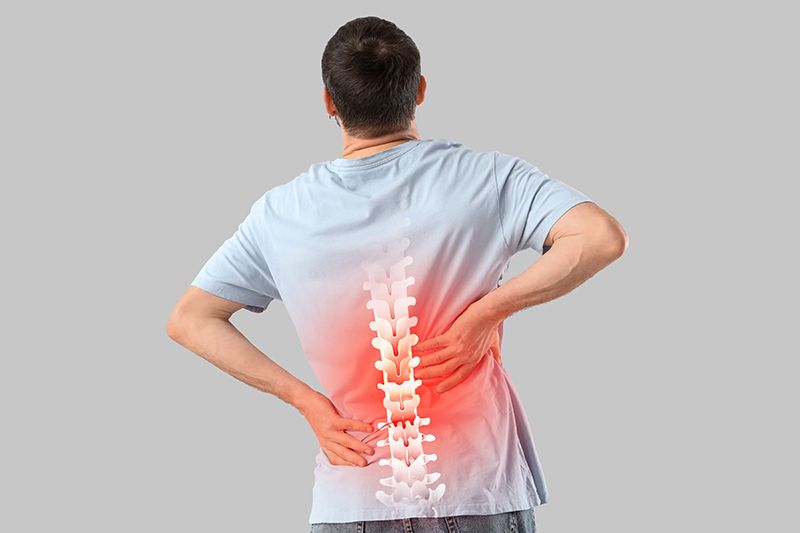
As we age, the spine naturally undergoes wear and tear that can lead to stiffness, reduced flexibility and occasional back or neck pain. While some age-related spine changes are normal, persistent pain, numbness, weakness or difficulty walking may be signs of more serious spinal conditions that require medical attention.
Understanding the difference between normal ageing and concerning symptoms can help patients seek appropriate treatment earlier and maintain better long-term spine health.
Key Takeaways
- Ageing can cause natural changes in the spinal discs, joints, bones and muscles, leading to stiffness, reduced flexibility and occasional back or neck pain.
- Common spine conditions that become more prevalent with age include degenerative disc disease, spinal stenosis, osteoarthritis, herniated discs and osteoporosis-related compression fractures.
- Mild stiffness and occasional aches may be considered part of normal ageing, especially if symptoms improve with movement or rest.
- Persistent pain, numbness, weakness, balance problems or difficulty walking are not considered normal signs of ageing and should be evaluated by a doctor.
- Early assessment and treatment may help prevent worsening symptoms and support better long-term mobility and spine health.
What Happens to the Spine as We Age?
As we age, the spinal discs, joints, bones and muscles naturally change, which can lead to stiffness, reduced flexibility and occasional back or neck pain. These age-related changes can contribute to common back and spine conditions, especially when the nerves or surrounding spinal structures become affected.
Common age-related spine changes include:
- Disc wear and thinning: Spinal discs can lose water content over time, making them less flexible and less effective at cushioning the bones of the spine.
- Joint degeneration: The small joints in the spine may wear down, leading to stiffness, discomfort or reduced movement.
- Bone spurs: Extra bone growth can develop as the spine changes with age, sometimes narrowing the space around nerves.
- Reduced bone density: Weaker bones may increase the risk of compression fractures, especially in older adults with osteoporosis.
- Muscle weakness: Loss of strength in the supporting muscles can affect posture, balance and spinal stability.
What Are Common Spine Problems Linked to Ageing?
Several back and spine conditions become more common with age as the spinal discs, joints and bones gradually change over time. While some conditions cause mild stiffness or discomfort, others may affect nearby nerves and lead to pain, weakness or mobility problems.
Degenerative Disc Disease
Degenerative disc disease happens when the spinal discs lose water content and become less flexible with age. This can reduce cushioning between the vertebrae and contribute to back pain, stiffness or reduced mobility.
Spinal Stenosis
Spinal stenosis occurs when the spaces within the spine narrow and place pressure on nearby nerves. Common symptoms include lower back pain, leg numbness, weakness and difficulty walking for extended periods.
Osteoarthritis of the Spine
Spinal osteoarthritis develops when the cartilage in the spinal joints gradually wears down over time. This may cause stiffness, inflammation and reduced flexibility, especially after resting or waking up in the morning.
Herniated or Bulging Discs
Age-related disc weakening can increase the risk of bulging or herniated discs. If a disc presses against nearby nerves, it may cause sciatica symptoms such as radiating leg pain, tingling or numbness.
Osteoporosis and Compression Fractures
Osteoporosis weakens the bones and increases the risk of spinal compression fractures in older adults. Symptoms may include sudden back pain, loss of height or a stooped posture.
What Spine Symptoms Are Considered Normal Ageing?
Mild back or neck stiffness can become more common with age, especially after sitting for long periods, waking up or engaging in physical activity. Some older adults may also notice reduced flexibility or occasional aches that improve with movement or rest.
In many cases, symptoms linked to normal ageing are mild, manageable and do not significantly interfere with daily activities.
Common symptoms that may be associated with normal ageing include:
- Mild stiffness in the neck or lower back
- Occasional muscle aches
- Reduced flexibility
- Mild discomfort after activity
- Minor posture changes over time
When Should You Worry About Spine Problems?
While mild stiffness and occasional aches can be a normal part of ageing, certain symptoms may indicate more serious back and spine conditions that require medical attention. Persistent or worsening symptoms should not be ignored, especially if they affect mobility, balance or daily activities.
Seek medical attention if you experience:
- Persistent back or neck pain that does not improve
- Pain that radiates into the arms or legs
- Numbness or tingling in the limbs
- Weakness in the arms or legs
- Difficulty walking or maintaining balance
- Loss of bladder or bowel control
- Sudden severe back pain after a fall or injury
Protecting Your Spine Health as You Age
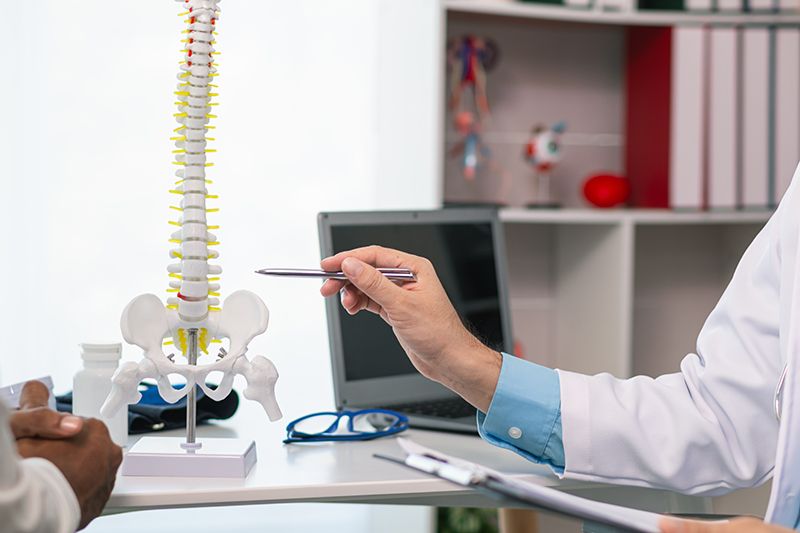
While mild stiffness and occasional back or neck discomfort can be a normal part of ageing, persistent symptoms or mobility problems should not be ignored. Early evaluation may help identify underlying back and spine conditions before symptoms worsen and affect quality of life. If you are concerned about ongoing spine symptoms, speak with a spine specialist for appropriate assessment and treatment guidance.
Atlas Orthopaedic Group is a spine clinic that offers comprehensive assessment and treatment for individuals experiencing spine problems associated with ageing and spinal degeneration. Patients will be assessed by Dr Chua Soo Yong, an Orthopaedic and Spine Surgeon with over 20 years of experience managing conditions such as spinal stenosis, slipped discs, osteoarthritis and nerve-related spine disorders. Schedule a consultation with us if ongoing back or neck symptoms are affecting your mobility, balance or quality of life.
FAQs About Spine Problems
Not always. While some spinal changes associated with ageing cannot be reversed, symptoms may often be managed with lifestyle changes, physiotherapy, medication or other treatments depending on the condition.
Occasional cracking or popping sounds in the spine can occur due to joint movement or changes in surrounding tissues. These sounds are not always a cause for concern unless they are accompanied by pain, weakness or restricted movement.
Many age-related back and spine conditions can be managed without surgery. Treatment plans may include physiotherapy, activity modification, medication or injections depending on the severity of symptoms.
Meet Our Spine Surgeon in Singapore
Dr Chua Soo Yong
Consultant Orthopaedic & Spine Surgeon
MBBS (S’pore), MRCS (Edinburgh), MMed (Ortho), FRCS (Ortho), FAMS (Ortho)
Dr Chua Soo Yong is a Consultant Orthopaedic & Spine Surgeon and co-founder of Atlas Orthopaedic. With over 20 years of experience, his expertise includes both conservative and surgical management, encompassing minimally invasive techniques, spinal decompression, fusion, disc replacement, and complex spine procedures.
In addition to his clinical practice, Dr Chua has made significant contributions to spine research, particularly in the areas of spinal cord injury and regeneration. Dr Chua was awarded the Ministry of Health’s Health Manpower Development Plan (HMDP) Scholarship to pursue advanced spine surgery fellowship training at the Krembil Neuroscience Centre in Canada and was subsequently awarded the DePuy–Asia Pacific Orthopaedic Association Spine Travelling Fellowship.
Committed to delivering patient-centred care, Dr Chua works closely with each individual to develop personalised treatment plans that prioritise safety, mobility, and long-term quality of life.


