




MBBS (Singapore), MRCS (Edinburgh), MMed (Ortho), FRCS (Ortho), FAMS (Ortho)
Back pain is often blamed on injuries or ageing, but in many cases, it results from small daily habits that go unnoticed. The way you sit, stand, move and even rest can place repeated strain on your spine over time. By understanding these everyday behaviours and how they affect your back, you can take simple steps to reduce discomfort and protect your long-term spinal health.
Common Everyday Habits That Strain Your Back
Many cases of back pain are linked not to a single injury but to repeated strain from everyday activities. Over time, these habits can place excessive stress on the spine, muscles and surrounding structures, leading to discomfort or worsening symptoms. Common habits that may contribute to back pain include:
- Prolonged sitting: Sitting for extended periods, especially without proper back support, can increase pressure on the lower spine and lead to stiffness.
- Poor posture: Slouching or leaning forward—whether at a desk or while standing—can strain the muscles and ligaments that support the spine.
- Frequent use of mobile devices: Looking down at phones or tablets for long periods can place additional stress on the neck and upper back.
- Improper lifting techniques: Bending at the waist instead of the knees when lifting heavy objects can increase the risk of strain or injury.
- Carrying heavy or uneven loads: Bags worn on one shoulder or carrying excessive weight can lead to muscle imbalance and added pressure on one side of the body.
- Lack of regular movement: Remaining in the same position for long periods without stretching or moving can contribute to muscle tightness and reduced flexibility.
How These Habits Affect Your Spine Over Time
While these daily habits may seem harmless, repeated strain on the spine can gradually lead to more significant issues. Poor posture and prolonged inactivity can alter how weight is distributed, placing uneven pressure on discs, joints and surrounding muscles.
Increased stress on spinal discs may lead to wear or bulging, sometimes resulting in a herniated (slipped) disc. This can irritate nearby nerves and in some cases, can cause symptoms such as sciatica, where pain radiates down the leg.
At the same time, muscle imbalances may develop as some muscles become overworked while others weaken. This reduces spinal stability and can lead to stiffness or reduced flexibility.
If these patterns continue, occasional discomfort may progress into chronic back pain and, in some cases, contribute to conditions such as lumbar stenosis, a condition where narrowing of the spinal canal places pressure on nerves. Addressing these habits early can help reduce long-term strain and support better spinal health.
When Back Pain May Need Medical Attention
While many cases of back pain improve with simple measures, some symptoms may indicate a more serious underlying condition that requires medical evaluation. You should consider seeing a specialist if you experience any of the following:
- Back pain that persists beyond a few weeks or worsens over time
- Pain that interferes with daily activities, work or sleep
- Pain that radiates to the arms or legs
- Numbness, tingling or muscle weakness
Seek urgent medical attention if you notice:
- Difficulty walking or loss of coordination
- Loss of bladder or bowel control
- Sudden or severe weakness in the limbs
Early evaluation allows for an accurate diagnosis and timely treatment, helping to prevent complications and support recovery.
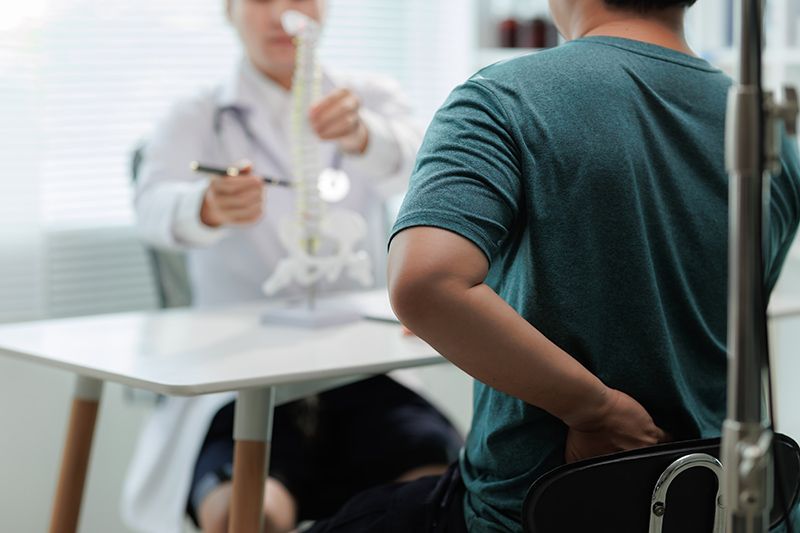
Back Pain Advice and Care Backed by Medical Expertise
Everyday habits can have a significant impact on your back health, often contributing to ongoing discomfort if left unaddressed. By making simple adjustments to posture, movement and daily routines, many cases of back pain can be effectively managed or prevented. If symptoms persist or worsen, seeking medical advice can help identify the underlying cause and guide appropriate treatment.
Atlas Orthopaedic Group provides comprehensive care for back pain, focusing on identifying the root cause and delivering personalised treatment in a patient-centred environment. Under the care of Dr Chua Soo Yong, who has received advanced training from the University of Toronto and recognised for his expertise in complex spinal surgery, patients receive tailored solutions using both non-surgical and surgical approaches. Schedule a consultation with our specialist if you are experiencing persistent back pain or symptoms that affect your daily activities.
FAQs About Daily Habits and Back Pain
Gentle movement is generally recommended, as prolonged inactivity may lead to stiffness and delayed recovery.
Adequate hydration supports the health of spinal discs, which rely on fluid balance to maintain cushioning and flexibility.
Yes, stress can lead to increased muscle tension, particularly in the back and shoulders, which may worsen pain.
Not necessarily. Prolonged standing can also strain the lower back, so a balance of sitting, standing and movement is ideal.
While some people feel temporary relief, frequent self-manipulation is not recommended and may not address the underlying issue.
Meet Our Spine Surgeon in Singapore
Dr Chua Soo Yong
Consultant Orthopaedic & Spine Surgeon
MBBS (S’pore), MRCS (Edinburgh), MMed (Ortho), FRCS (Ortho), FAMS (Ortho)
Dr Chua Soo Yong is an Orthopaedic and Specialist Spine Surgeon with extensive experience in managing a wide range of spinal conditions, from degenerative disorders to complex reconstructive procedures. He completed his orthopaedic training in Singapore before further advancing his expertise at the Krembil Neuroscience Centre, University of Toronto, under the Ministry of Health’s prestigious HMDP Scholarship. He was subsequently awarded the Depuy–Asia Pacific Orthopaedic Association Spine Travelling Fellowship, where he was the lead member, recognising his excellence in spine surgery.
During his time at Changi General Hospital, he served as Deputy Chief of Spine Service and was honoured with the “Best Service Award” for his dedication to patient care. Dr Chua is highly experienced in both minimally invasive and open spinal procedures, including decompression, fusion and disc replacement, and is particularly sought after for complex spinal surgeries.


