




MBBS (Singapore), MRCS (Edinburgh), MMed (Ortho), FRCS (Ortho), FAMS (Ortho)
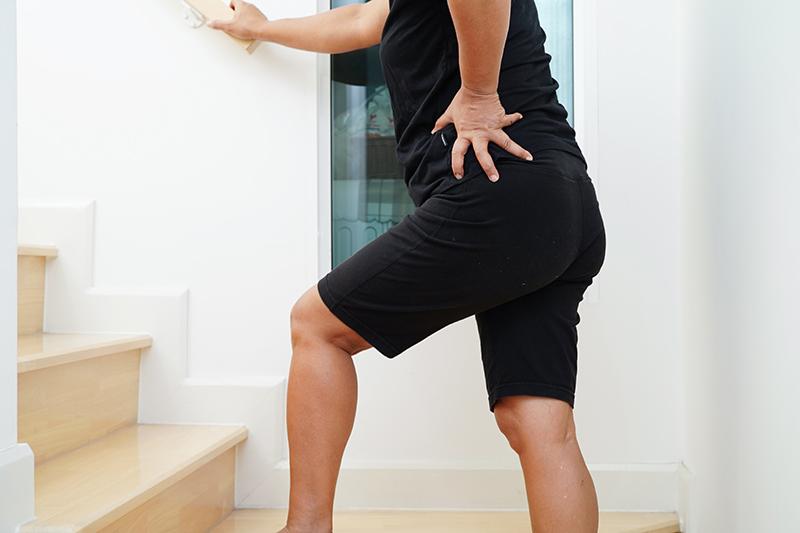
Lower back pain can make everyday movement feel noticeably different. You may find yourself walking more cautiously, taking longer to get around or feeling less confident with activities that were previously straightforward.
When these changes persist, it is important to understand whether they are simply a temporary response to discomfort or something that deserves further attention. In this article, we look at the relationship between lower back pain and changes in walking, balance and mobility.
Key Takeaways
- Lower back pain can change your posture, walking pattern and overall mobility
- Nerve compression may cause leg pain, numbness or weakness that makes walking more difficult
- Spinal stenosis and slipped discs are among the spinal conditions that can affect mobility
- Progressive weakness, numbness or walking difficulties should be medically assessed
How Does Lower Back Pain Change the Way You Walk?
Lower back pain and stiffness can alter normal movement mechanics, causing your body to compensate during walking. If these changes persist, they can affect how weight and movement are distributed through the spine, hips and lower limbs.
Common changes include:
- Taking shorter or more cautious steps
- Leaning forwards or to one side while walking
- Difficulty standing fully upright
- Needing to stop and rest more frequently
- Avoiding stairs or longer distances
When walking problems occur alongside neurological symptoms, the cause may extend beyond pain alone.
Which Spine Conditions Can Affect Walking and Mobility?
Several conditions affecting the lumbar spine can interfere with the nerves responsible for sensation and movement in your legs.
Lumbar Spinal Stenosis
Lumbar spinal stenosis narrows the space available for nerves in the lower spine. You may develop pain, heaviness, numbness or weakness in the legs, particularly when standing or walking.
Some people find that symptoms improve when sitting or leaning forwards, making it difficult to remain upright or walk for extended periods.
Slipped or Herniated Disc
A slipped or herniated disc can compress or irritate a nearby nerve root. Depending on the nerve involved, this may cause pain that travels into the leg together with tingling, numbness or muscle weakness.
If weakness develops, your ability to walk normally or control certain movements may also be affected.
Degenerative Changes in the Spine
Age-related changes involving the discs and joints can contribute to stiffness, pain and nerve compression. When several structures are affected, standing and walking may become increasingly uncomfortable.
Can Lower Back Problems Affect Your Balance?
While lower back pain does not always cause balance problems, certain spinal conditions can interfere with the systems involved in maintaining stable movement. This is particularly relevant when the nerves that contribute to lower-limb function are affected.
Changes worth paying attention to include:
- Increasing unsteadiness
- Frequent stumbling or tripping
- Difficulty controlling one leg
- Needing support when walking
- New weakness or altered sensation
Persistent or progressive balance changes warrant medical assessment, particularly when they occur alongside lower back symptoms.
How Can You Maintain Mobility with Lower Back Pain?
Maintaining mobility is an important part of managing lower back pain, but the appropriate level of activity depends on the underlying cause and severity of your condition. Prolonged inactivity can contribute to physical deconditioning, while pushing through significant or worsening symptoms may aggravate the problem.
Management may include:
- Lifestyle adjustments: Modifying activities that aggravate your symptoms while maintaining an appropriate level of movement
- Physiotherapy: Targeted exercises can help improve strength, flexibility, balance and mobility
- Medication: Pain relief and anti-inflammatory medication may be used to manage pain or inflammation
- Further treatment: Injections or surgery may be considered when symptoms persist or nerve compression causes significant neurological problems
Treatment should be tailored to the underlying diagnosis, particularly when lower back pain is accompanied by changes in walking or mobility.
Addressing Back Pain Before Mobility Declines Further
Changes in walking, balance or mobility can provide important clues about how a lower back problem is affecting you. Identifying whether these changes are driven by pain, nerve involvement or another spinal condition allows treatment to address the underlying cause rather than the mobility problem alone.
If lower back pain is starting to change how comfortably or confidently you move, an assessment can help establish why. Atlas Spine & Orthopaedic Surgery Centre in Singapore provides care for lower back and spine conditions under orthopaedic surgeon Dr Chua Soo Yong. Arrange a consultation to discuss your symptoms and the treatment options appropriate for your condition.
FAQs About Lower Back Pain and Mobility
Yes, particularly if a spinal nerve supplying one leg is compressed or irritated. Persistent one-sided weakness should be assessed to determine which nerve is affected and whether treatment is required.
For many people, gentle walking can help maintain movement and physical conditioning. The appropriate amount depends on the cause and severity of your symptoms, particularly if walking triggers leg weakness or neurological changes.
Yes, particularly when pain or nerve involvement affects leg strength and control. Climbing stairs places greater demands on the lower limbs than level walking. Increasing difficulty with stairs may warrant assessment if it persists or worsens.
Meet Our Spine Specialist in Singapore
Dr Chua Soo Yong
Consultant Orthopaedic & Spine Surgeon
MBBS (Singapore), MRCS (Edinburgh), MMed (Ortho), FRCS (Ortho), FAMS (Ortho)
Dr Chua Soo Yong is a Consultant Orthopaedic & Spine Surgeon and co-founder of Atlas Orthopaedic. With over 20 years of experience, his expertise includes both conservative and surgical management, encompassing minimally invasive techniques, spinal decompression, fusion, disc replacement, and complex spine procedures.
In addition to his clinical practice, Dr Chua has made significant contributions to spine research, particularly in the areas of spinal cord injury and regeneration. Dr Chua was awarded the Ministry of Health’s Health Manpower Development Plan (HMDP) Scholarship to pursue advanced spine surgery fellowship training at the Krembil Neuroscience Centre in Canada and was subsequently awarded the DePuy–Asia Pacific Orthopaedic Association Spine Travelling Fellowship.
Committed to delivering patient-centred care, Dr Chua works closely with each individual to develop personalised treatment plans that prioritise safety, mobility, and long-term quality of life.


