



MBBS (Singapore), MRCS (Edinburgh), MMed (Ortho), FRCS (Ortho), FAMS (Ortho)
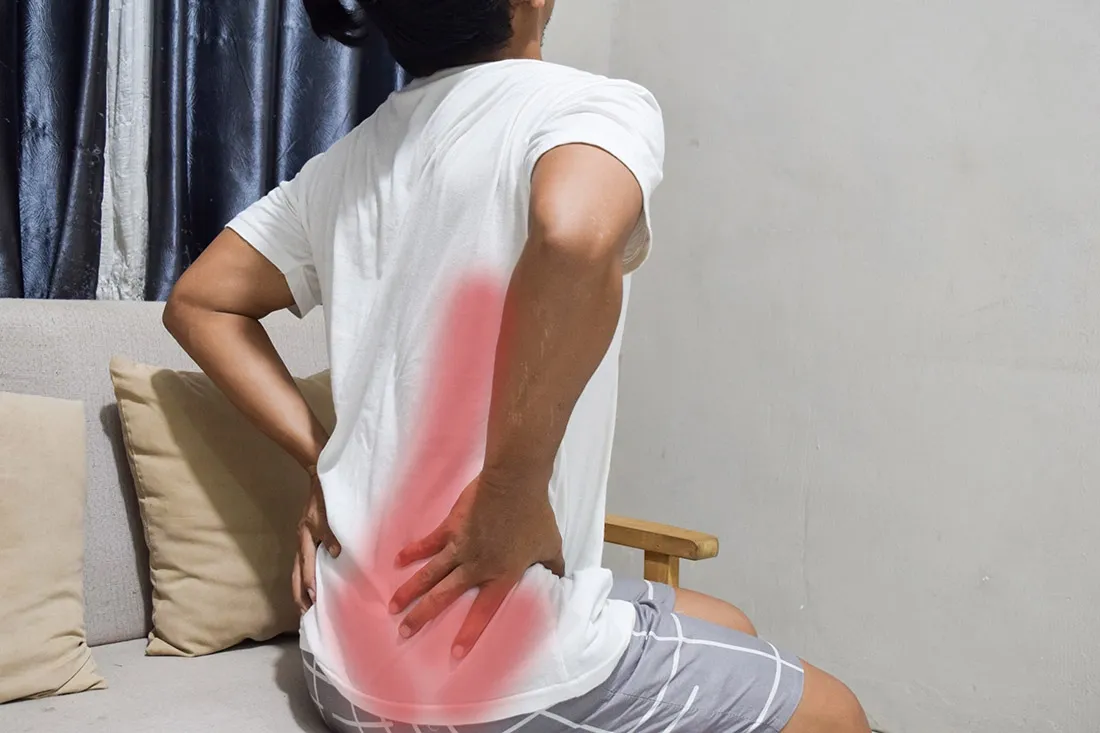
Sciatic nerve pain is often described as a sharp, shooting discomfort that travels from the lower back down the leg. But for many people, it becomes most noticeable at night. Just when you finally lie down to rest, the pain can intensify, making it difficult to fall asleep or stay comfortable. If this sounds familiar, you are not alone. Understanding why sciatic symptoms can worsen when lying down is the first step toward finding relief and getting a better night’s rest.
What Is Sciatic Nerve Pain?
Sciatic nerve pain, commonly known as sciatica, occurs when the sciatic nerve becomes irritated or compressed. The sciatic nerve is the largest nerve in the body, running from the lower back through the hips and buttocks and down each leg. When affected, it can cause discomfort that radiates along this pathway. Common symptoms of sciatica include:
- Sharp, shooting pain that travels from the lower back down one leg
- Tingling or a “pins and needles” sensation
- Numbness in the leg or foot
- Muscle weakness in the affected leg
Sciatica is not a condition on its own, but rather a symptom of an underlying issue affecting the spine or surrounding structures. Some of the most common causes include a herniated disc, spinal stenosis (narrowing of the spinal canal), or piriformis syndrome, where a muscle in the buttock irritates the nerve. Understanding these causes helps explain why certain positions such as lying down can sometimes make the pain feel worse.
Why Does Sciatic Pain Get Worse When Lying Down?
While lying down is meant to help the body rest and recover, certain positions can actually place more pressure on the sciatic nerve, making symptoms more noticeable at night. Common reasons include:
Changes in spinal alignment
Lying flat, especially on an unsupportive mattress, can alter the natural curve of your spine. This can increase the strain on the lower back and irritate the sciatic nerve.
Increased pressure on spinal structures
Positions like lying on your back without support under the knees can cause the lower spine to arch excessively, leading to nerve compression.
Reduced movement during sleep
Staying in one position for long periods can lead to stiffness and inflammation, which may worsen sciatic pain.
Poor sleeping posture
Misalignment of the hips, spine or legs, such as twisting or uneven support, can aggravate the nerve.
Unsuitable mattress or pillow support
A mattress that is too soft or too firm, or pillows that do not support proper alignment, can contribute to increased discomfort.
How Can I Relieve Sciatic Pain at Night?
If sciatic pain worsens when lying down, making a few adjustments to your sleep habits and environment can help reduce discomfort and improve sleep quality. Here are some practical ways to relieve sciatic pain at night:
Adjust your sleeping position
Lie on your side with a pillow between your knees to keep your hips and spine aligned. Alternatively, you may lie on your back with a pillow under your knees to reduce pressure on the lower back.
Use the right mattress and pillows
A medium-firm mattress typically provides better spinal support. Ensure that your pillows keep your neck aligned with your spine and support your lower body where needed.
Do gentle stretches before bed
Light stretching of the lower back, hips and hamstrings can help relieve tension around the sciatic nerve and reduce stiffness overnight.
Apply heat therapy
Using a warm pack on the lower back or buttock area before sleep can help relax muscles and ease discomfort.
Avoid prolonged inactivity during the day
Staying active with regular movement or light exercise helps prevent stiffness, which can otherwise worsen pain at night.
Maintain good posture throughout the day
Sitting or standing with proper alignment reduces strain on the spine, which can carry over into better comfort when lying down.
When Should You See a Doctor for Sciatica?
While sciatic nerve pain often improves with rest and simple self-care measures, persistent or worsening symptoms may require medical attention. You should consider seeing a doctor if your pain lasts more than a few weeks, becomes severe or begins to interfere with your daily activities and sleep. Symptoms such as numbness, tingling or weakness in the leg may indicate nerve involvement that needs prompt evaluation.
In some cases, more serious signs can develop. If you experience pain affecting both legs, or have difficulty controlling your bladder or bowels, seek medical attention immediately as this may indicate a rare but serious condition requiring urgent treatment. Early diagnosis and appropriate care can help relieve symptoms more effectively and prevent long-term complications.
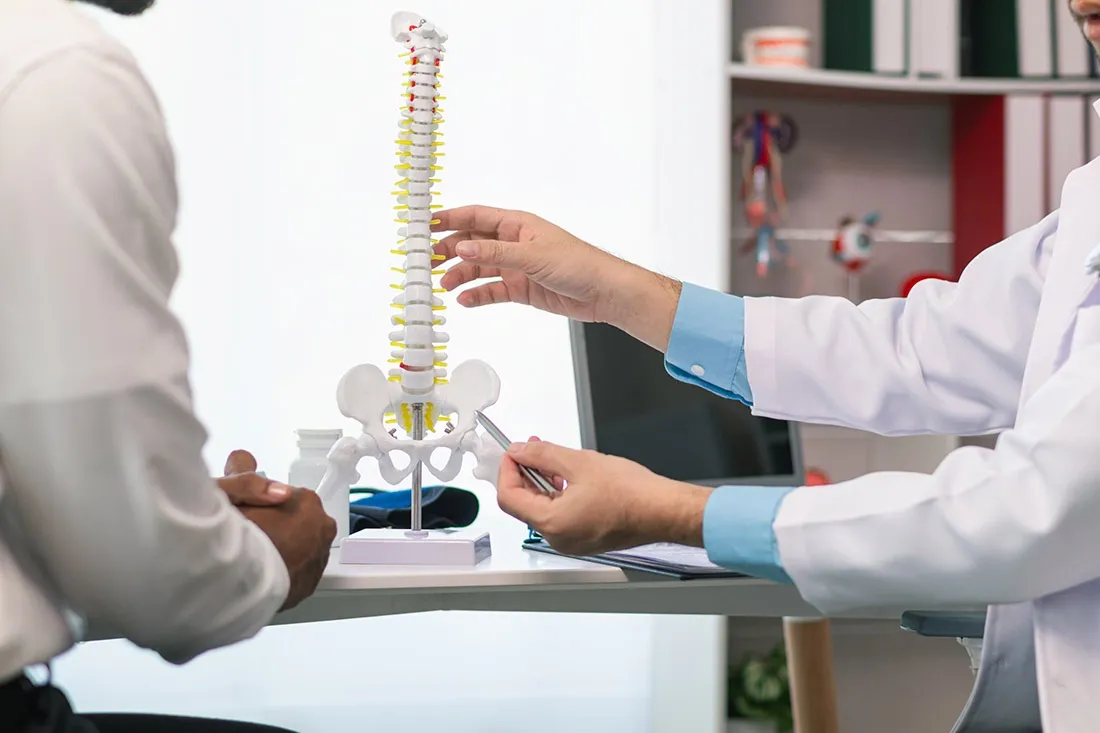
Improving Night-Time Sciatic Symptoms with Dr Chua Soo Yong
Sciatic pain that worsens when lying down can be frustrating, but understanding the underlying causes can help you take the right steps toward relief. Simple adjustments to your sleeping position, daily habits, and support surfaces can make a significant difference in managing symptoms. If your pain persists or worsens, seeking professional care can ensure you receive the appropriate treatment and long-term relief.
Atlas Orthopaedic Group provides patient-centred care for a wide range of back and neck conditions, including sciatic nerve pain. Patients are carefully assessed by Dr Chua Soo Yong, who has over 20 years of experience and is sought after for his expertise in complex spinal surgery. If you are experiencing persistent discomfort or worsening symptoms, arranging a consultation can help you receive a detailed evaluation and personalised care plan.
FAQs About Sciatica Pain When Lying Down
Topical pain relief options may provide temporary comfort for some individuals. However, they do not address the underlying cause, and it is best to consult a doctor if you rely on them frequently.
Recovery time varies depending on the underlying cause. Mild cases may improve within a few weeks, while more complex conditions may take longer and require targeted treatment.
Yes, sciatic pain can recur, especially if the underlying cause such as poor posture, spinal issues or repetitive strain, is not addressed. Preventive measures and proper care can help reduce the risk of recurrence.
Yes, stress can increase muscle tension, particularly in the lower back and hips, which may aggravate the sciatic nerve. It can also make it harder to relax, further amplifying the perception of pain at night.
In rare cases, sciatica may be linked to more serious conditions such as infections, tumours, or severe nerve compression. Unexplained weight loss, persistent fever, or pain that does not improve with rest should be evaluated by a doctor.
Meet Our Spine Surgeon in Singapore
Dr Chua Soo Yong
Consultant Orthopaedic & Spine Surgeon
MBBS (Singapore), MRCS (Edinburgh), MMed (Ortho), FRCS (Ortho), FAMS (Ortho)
Dr Chua Soo Yong is a consultant orthopaedic and spine surgeon who specialises in the diagnosis and management of a wide spectrum of spinal conditions. With extensive experience in spinal surgery, Dr Chua is trained in both open surgery and minimally invasive techniques. His expertise covers procedures across all regions of the spine, including cervical, thoracic and lumbosacral levels, as well as complex pelvic fixation.
Dr Chua previously served as Deputy Chief of Spine Service at Changi General Hospital and was a Visiting Consultant to both Changi General Hospital and Ng Teng Fong General Hospital. He completed his orthopaedic training in Singapore before further advancing his subspecialty expertise at the Krembil Neuroscience Centre, University of Toronto, under the Ministry of Health’s Health Manpower Development Plan scholarship.
Beyond clinical practice, Dr Chua has been actively involved in academic medicine and research. He has contributed to international collaborations, published in established peer-reviewed spine journals and serves on the editorial boards of several scientific publications. He has also participated as faculty at regional and international spine meetings, reflecting his ongoing commitment to advancing spine care.


