



MBBS (Singapore), MRCS (Edinburgh), MMed (Ortho), FRCS (Ortho), FAMS (Ortho)
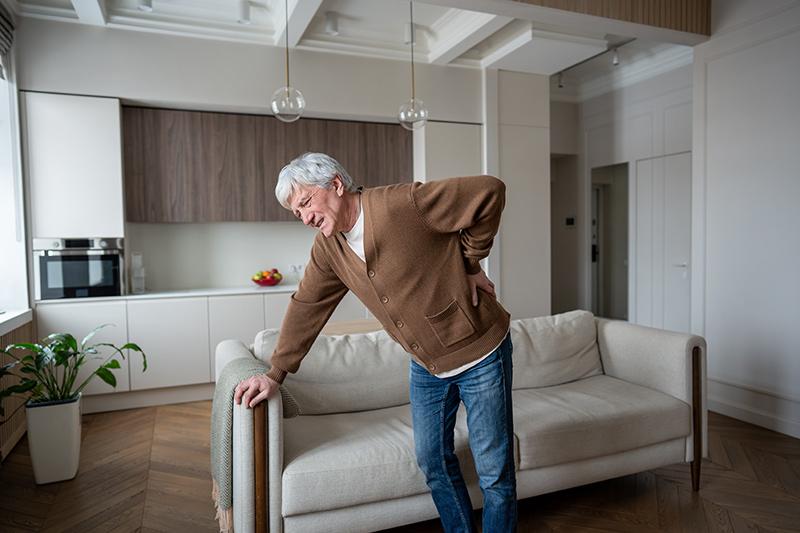
Lumbar spinal stenosis can make standing or walking increasingly uncomfortable. Some people develop leg symptoms after walking for a period of time but find that these ease when they sit down or lean forward. This characteristic pattern occurs because changes in posture can affect the space available around nerves in the lower spine.
Understanding why walking triggers symptoms can also help explain how lumbar spinal stenosis is assessed and why treatment differs between patients.
Key Takeaways
- Lumbar spinal stenosis can cause leg symptoms during walking when narrowing in the lower spine affects the nerves supplying the legs.
- Symptoms commonly become more noticeable when standing or walking and may ease when sitting or leaning forward.
- Leg pain, numbness or weakness can occur even when lower back pain is not the main symptom.
- Treatment often begins without surgery, depending on symptom severity and whether neurological function is affected.
- Surgery may be considered when symptoms remain significantly limiting despite appropriate treatment or when neurological problems progress.
How Does Nerve Compression Affect Walking and Leg Function?
Lumbar spinal stenosis affects the nerves travelling through the lower spine and into the legs. When the available space around these nerves becomes reduced, symptoms may develop in the legs during standing or walking, sometimes with relatively little lower back pain.
How Does Lumbar Spinal Stenosis Affect the Nerves That Control Walking?
In lumbar spinal stenosis, degenerative changes can reduce the space available within or around the spinal canal and nerve pathways. When the nerves supplying the lower limbs are affected, patients may develop pain, altered sensation or weakness that becomes more noticeable during activity.
Why Are Symptoms Felt in the Legs Instead of the Back?
Although the narrowing occurs in the lumbar spine, the affected nerves supply areas of the lower limbs. Symptoms can therefore be felt in the buttocks or legs rather than being confined to the lower back.
Symptoms may include:
- Pain or altered sensation: Some patients experience aching, burning, numbness or tingling in one or both legs.
- Heaviness or weakness: The legs may feel weak or increasingly difficult to use as standing or walking continues.
- Reduced walking tolerance: Symptoms may eventually make it necessary to stop, sit or change position before continuing.
What Is Neurogenic Claudication?
Neurogenic claudication describes leg symptoms associated with lumbar spinal stenosis that are typically brought on or worsened by standing and walking. The symptoms may include pain, altered sensation, heaviness or weakness and often ease when the person sits or bends forward.
This pattern is useful during assessment because it can help distinguish lumbar spinal stenosis from other possible causes of walking-related leg symptoms.
Why Do Posture Changes Affect Lumbar Spinal Stenosis Symptoms?
Posture can change the amount of space available around the nerves in the lumbar spine. This helps explain why some people with lumbar spinal stenosis tolerate sitting or forward bending better than prolonged standing or walking.
Why Does Standing Upright Make Symptoms Worse?
Standing upright and walking usually place the lumbar spine in a more extended position. In some people with spinal stenosis, extension further reduces the available space around affected neural structures, which can make leg symptoms more noticeable as standing or walking continues.
Why Does Leaning Forward Help?
Bending forward places the lumbar spine in flexion, which can increase the available space around affected neural structures. This is why some people find that sitting down or leaning over a shopping trolley temporarily eases their symptoms.
How Does This Affect Everyday Activities?
These posture-related symptoms can influence how a person manages everyday activities. For example:
- Walking may need to be broken into shorter periods: Symptoms can build as walking continues and ease after sitting or changing position.
- Forward-supported activities may feel easier: Some people can walk more comfortably while leaning on a shopping trolley than when walking upright.
- Walking tolerance can vary with posture: Inclines and other activities that encourage slight forward flexion may sometimes be better tolerated than positions involving greater lumbar extension.
When Is Lumbar Spinal Stenosis Treatment Needed?
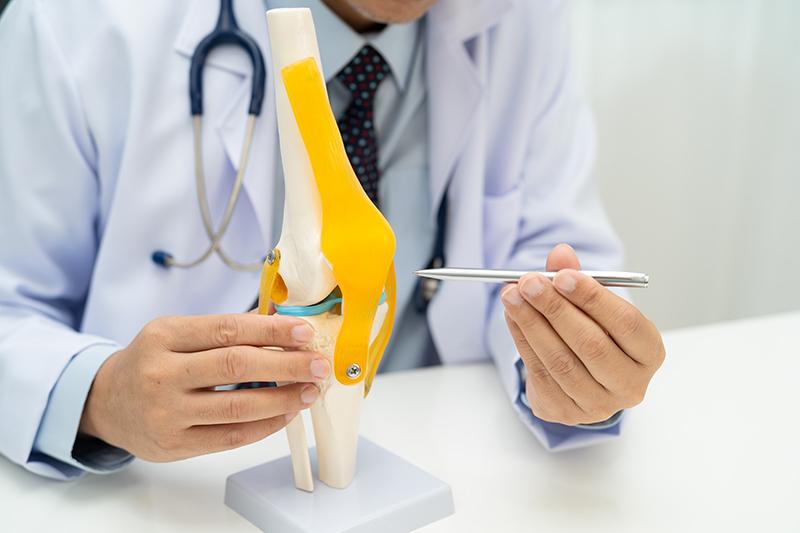
Treatment may be considered when lumbar spinal stenosis symptoms begin to limit everyday activities or independence. The approach depends on the severity and progression of symptoms, alongside the patient’s response to previous treatment.
What Conservative Treatments Are Available?
Many people with lumbar spinal stenosis can initially be managed without surgery. Depending on the symptoms and their effect on mobility, treatment may include:
- Physiotherapy to maintain mobility and improve walking tolerance
- Activity modification to reduce symptom-provoking movements while remaining active
- Medication to help manage pain
- Epidural steroid injections in selected patients for temporary symptom relief
The treatment plan may be adjusted over time according to how symptoms respond and whether walking ability is improving.
When Is Lumbar Spinal Stenosis Surgery Considered?
Lumbar spinal stenosis surgery may be considered when symptoms remain significantly limiting despite appropriate non-surgical treatment. It may also be discussed sooner if neurological function is worsening.
Factors that may support considering surgery include:
- Walking becoming increasingly limited despite treatment
- Progressive weakness or worsening nerve-related symptoms
- Persistent symptoms that significantly interfere with everyday activities
- Clinical and imaging findings that identify nerve compression that can be addressed surgically
Is Treatment Based Only on MRI Results?
No. MRI findings are only one part of the assessment. Your specialist will compare the scan with your symptoms and physical examination findings before recommending treatment.
This is important because the degree of narrowing seen on an MRI does not always correspond with how severely a person is affected. Treatment should therefore be guided by the overall clinical picture rather than the scan alone.
Regaining Confidence in Walking with Dr Chua Soo Yong
When lumbar spinal stenosis begins to reduce how far you can walk or makes everyday movement increasingly difficult, a specialist assessment can help determine the extent of nerve involvement and how much the condition is affecting your function. Treatment can then be planned according to your symptoms, mobility and response to previous care.
At Atlas Spine & Orthopaedic Surgery Centre, we provide comprehensive care for lumbar spinal stenosis, from diagnosis and conservative management to surgery and rehabilitation. Our consultant orthopaedic & spine surgeon Dr Chua Soo Yong performs a comprehensive assessment to determine the cause of your symptoms and recommend treatment suited to your mobility goals. If walking is becoming increasingly difficult, book an appointment for a comprehensive assessment and tailored treatment plan.
FAQs About Lumbar Spinal Stenosis and Walking Difficulties
Walking tolerance can vary depending on how long you have been standing, your activity level and how irritated the affected nerves are at the time. A change from day to day does not necessarily mean the narrowing itself has suddenly worsened, but a consistent decline in walking ability should be assessed.
It can be. General fatigue may improve with rest without causing a true loss of strength, whereas nerve compression can affect how effectively certain leg muscles work. New or progressive weakness, particularly if it changes the way you walk, warrants medical assessment.
Yes. Symptoms may affect one or both legs depending on where the narrowing occurs and which nerves are involved. The pattern of pain, numbness or weakness can help your specialist identify which nerve pathways may be affected.
Yes. Nerve compression may reduce sensation, muscle strength or coordination in the legs, causing some people to feel unsteady while walking. However, balance problems can have many causes, so a thorough assessment is important to identify the underlying reason.
Although lumbar spinal stenosis surgery is intended to relieve pressure on the affected nerves, age-related changes in the spine can continue over time. Some patients may develop new narrowing at the same or a different spinal level years later, although many patients continue to experience long-term improvement in their symptoms following surgery.
Meet Our Spine Surgeon in Singapore
Dr Chua Soo Yong
Consultant Orthopaedic & Spine Surgeon
MBBS (S’pore), MRCS (Edinburgh), MMed (Ortho), FRCS (Ortho), FAMS (Ortho)
Dr Chua Soo Yong is a Consultant Orthopaedic & Spine Surgeon and co-founder of Atlas Orthopaedic. With over 20 years of experience, his expertise includes both conservative and surgical management, encompassing minimally invasive techniques, spinal decompression, fusion, disc replacement and complex spine procedures.
In addition to his clinical practice, Dr Chua has made significant contributions to spine research, particularly in the areas of spinal cord injury and regeneration. Dr Chua was awarded the Ministry of Health’s Health Manpower Development Plan (HMDP) Scholarship to pursue advanced spine surgery fellowship training at the Krembil Neuroscience Centre in Canada and was subsequently awarded the DePuy–Asia Pacific Orthopaedic Association Spine Travelling Fellowship.
Committed to delivering patient-centred care, Dr Chua works closely with each individual to develop personalised treatment plans that prioritise safety, mobility and long-term quality of life.


