



MBBS (Singapore), MRCS (Edinburgh), MMed (Ortho), FRCS (Ortho), FAMS (Ortho)
Living with persistent pain, tingling or numbness can be frustrating, especially when it begins to affect your daily routine. Nerve compression injuries can develop gradually, often making it difficult to pinpoint when the problem started. Understanding how spine specialists approach diagnosis and treatment can provide reassurance and help you take the next step toward relief.
What Is a Nerve Compression Injury?
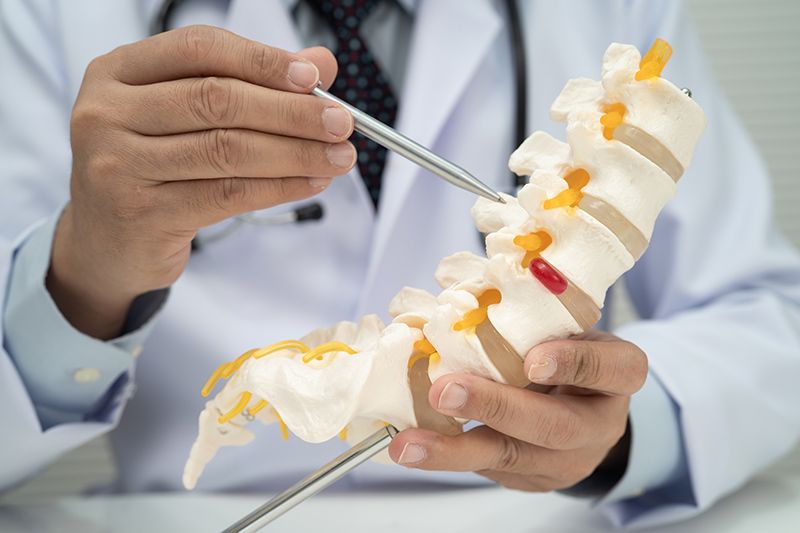
A nerve compression injury, often referred to as a “pinched nerve”, occurs when surrounding structures such as bones, discs, or soft tissues place excessive pressure on a nerve. This pressure can disrupt normal nerve function, leading to symptoms that may affect sensation, movement or both.
In the spine, nerve compression commonly arises from conditions such as herniated discs, spinal stenosis (including lumbar stenosis) or degenerative changes that develop over time. These changes can narrow the spaces within the spine, increasing the likelihood of nerve irritation or compression.
Symptoms can vary depending on the location and severity of the compression, but often include pain that radiates to the arms or legs, numbness, tingling or muscle weakness. While some cases may improve with rest and conservative care, persistent or worsening symptoms may require further evaluation by a spine specialist.
How Do Spine Specialists Diagnose Nerve Compression?
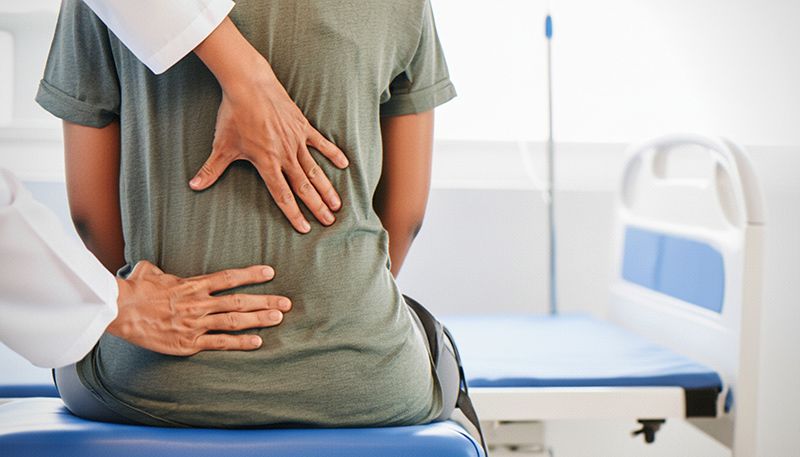
Diagnosing a nerve compression injury begins with a detailed clinical assessment. A spine specialist will review your symptoms, including the location, duration and pattern of pain, as well as any associated numbness, tingling or weakness.
A physical and neurological examination is then performed to assess movement, muscle strength, reflexes and areas of sensory change. These tests help identify which nerve may be affected and how severely it is being compressed.
Imaging studies are often used to confirm the diagnosis and guide treatment planning. Magnetic resonance imaging (MRI) is commonly performed to visualise soft tissues such as discs and nerves, while X-rays or CT scans may be used to assess bone structures and spinal alignment. Early and accurate diagnosis allows for more targeted management and may help prevent symptoms from worsening.
Non-Surgical Treatment Options for Nerve Compression
In many cases, nerve compression can be managed effectively without surgery, particularly when symptoms are mild to moderate. Treatment focuses on relieving pressure on the affected nerve, reducing inflammation and improving overall spinal function.
Medication and Pain Management
- Anti-inflammatory medications to reduce swelling around the nerve
- Pain relief medication to improve daily comfort
- Muscle relaxants where muscle tightness contributes to symptoms
Physiotherapy and Rehabilitation
- Targeted exercises to strengthen supporting muscles
- Stretching techniques to improve flexibility and reduce tension
- Postural training to minimise strain on the spine
Lifestyle Modifications
- Adjustments to daily activities to avoid aggravating movements
- Ergonomic improvements at work or home
- Weight management to reduce stress on the spine
Image-Guided Injections
- Epidural steroid injections to reduce inflammation around the nerve
- Targeted delivery of medication for more precise symptom relief
These approaches aim to control symptoms and support recovery, allowing many individuals to return to their normal activities without the need for surgical intervention.
When Is Surgery Recommended for Nerve Compression Injuries?
Surgery may be considered when non-surgical treatments do not provide sufficient relief or when symptoms begin to significantly affect daily life. The aim is to relieve pressure on the affected nerve, improve function and prevent further neurological complications. Common indications for surgery include:
- Persistent pain that does not improve with conservative treatment
- Progressive numbness or muscle weakness
- Difficulty with mobility or daily activities
- Loss of coordination or balance
- In severe cases, loss of bowel or bladder control requiring urgent attention
Depending on the underlying cause, different surgical procedures may be recommended. These may include:
- Discectomy: Removal of part of a herniated disc pressing on a nerve.
- Decompression surgery (e.g. laminectomy): Creating more space for the nerve by removing bone or tissue.
- Spinal fusion: Stabilising the spine by joining two or more vertebrae in selected cases.
A spine specialist will assess your condition carefully and discuss the most appropriate approach based on your symptoms, imaging findings and overall health.
Recovery and Long-Term Spine Care
Recovery from a nerve compression injury depends on the severity of the condition and the type of treatment received. Whether managed conservatively or surgically, a structured recovery plan plays an important role in restoring function and preventing recurrence.
In the early stages, the focus is on reducing pain, protecting the affected area and gradually returning to normal activities. Physiotherapy is often recommended to improve strength, flexibility and posture, helping to support the spine and reduce the risk of further strain.
Long-term spine care involves maintaining healthy habits such as practising good posture, engaging in regular low-impact exercise to strengthen core muscles, avoiding prolonged sitting or repetitive strain, and making ergonomic adjustments at work and home.
Specialist Spine Care Backed by Expertise and Excellence
Nerve compression injuries can significantly affect comfort and mobility, but many cases can be effectively managed with timely and appropriate care. From conservative treatments to surgical options, spine specialists tailor management based on the underlying cause and severity of symptoms. Seeking early evaluation can help relieve discomfort, prevent progression and support a safe return to daily activities.
Atlas Orthopaedic Group provides comprehensive orthopaedic care with a strong focus on spine and sports conditions, delivering personalised treatment in a patient-first environment. Specialist management is led by Dr Chua Soo Yong, who is recognised for his expertise in complex spinal surgery and was a recipient of the prestigious Depuy–Asia Pacific Orthopaedic Association Spine Travelling Fellowship. Schedule a consultation if you are experiencing symptoms of nerve compression such as persistent pain, numbness or weakness and we will provide a thorough assessment and a personalised treatment plan.
FAQs About Nerve Compression Injuries
The duration varies depending on the cause and severity. Some people recover within weeks, while others may experience symptoms for several months without appropriate treatment.
Symptoms can vary. Some individuals experience constant discomfort, while others notice symptoms that come and go depending on posture or activity.
Not all nerve compression occurs in the spine, but spinal causes are among the most common. Peripheral nerves in areas such as the wrist or elbow can also be affected.
Age-related changes such as disc degeneration and joint wear can increase the likelihood of nerve compression, although it can occur at any age.
There is a possibility of recurrence, especially if underlying factors such as posture, activity levels or spinal conditions are not managed.
Meet Our Spine Surgeon in Singapore
Dr Chua Soo Yong
Consultant Orthopaedic & Spine Surgeon
MBBS (S’pore), MRCS (Edinburgh), MMed (Ortho), FRCS (Ortho), FAMS (Ortho)
Dr Chua Soo Yong is an Orthopaedic and Specialist Spine Surgeon with extensive experience in managing a wide range of spinal conditions, from degenerative disorders to complex reconstructive procedures. He completed his orthopaedic training in Singapore before further advancing his expertise at the Krembil Neuroscience Centre, University of Toronto, under the Ministry of Health’s prestigious HMDP Scholarship. He was subsequently awarded the Depuy–Asia Pacific Orthopaedic Association Spine Travelling Fellowship, where he was the lead member, recognising his excellence in spine surgery.
During his time at Changi General Hospital, he served as Deputy Chief of Spine Service and was honoured with the “Best Service Award” for his dedication to patient care. Dr Chua is highly experienced in both minimally invasive and open spinal procedures, including decompression, fusion and disc replacement, and is particularly sought after for complex spinal surgeries.


